

Overland travel with a pet changes life on the road
Whether you’re new to overland travel, adding a pet to the way you already travel, or planning longer journeys together, start by looking at the environment your pet will actually experience.
Motion, heat, confinement, unfamiliar stopping places, changing routines and reduced access to veterinary care can all affect how well a pet copes on the road.
The aim is not simply to take your pet with you — it is to make travel safe, manageable and appropriate for your pet.
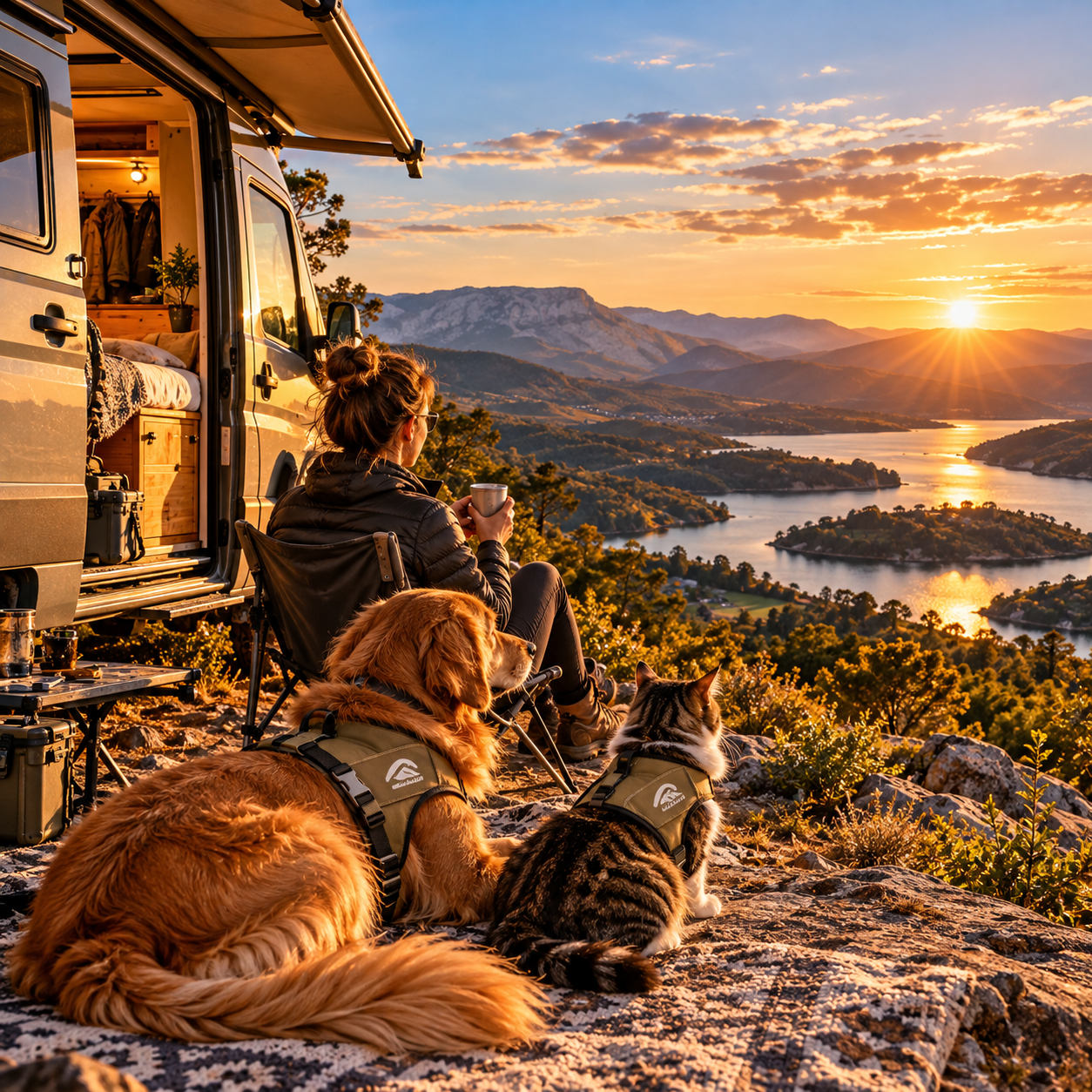
Is overland travel right for your pet?
Not every pet will experience vehicle travel in the same way. Before changing the vehicle or planning the route, consider how your individual pet may cope with movement, confinement, changing environments and disrupted routines.
🐾 Health & mobility
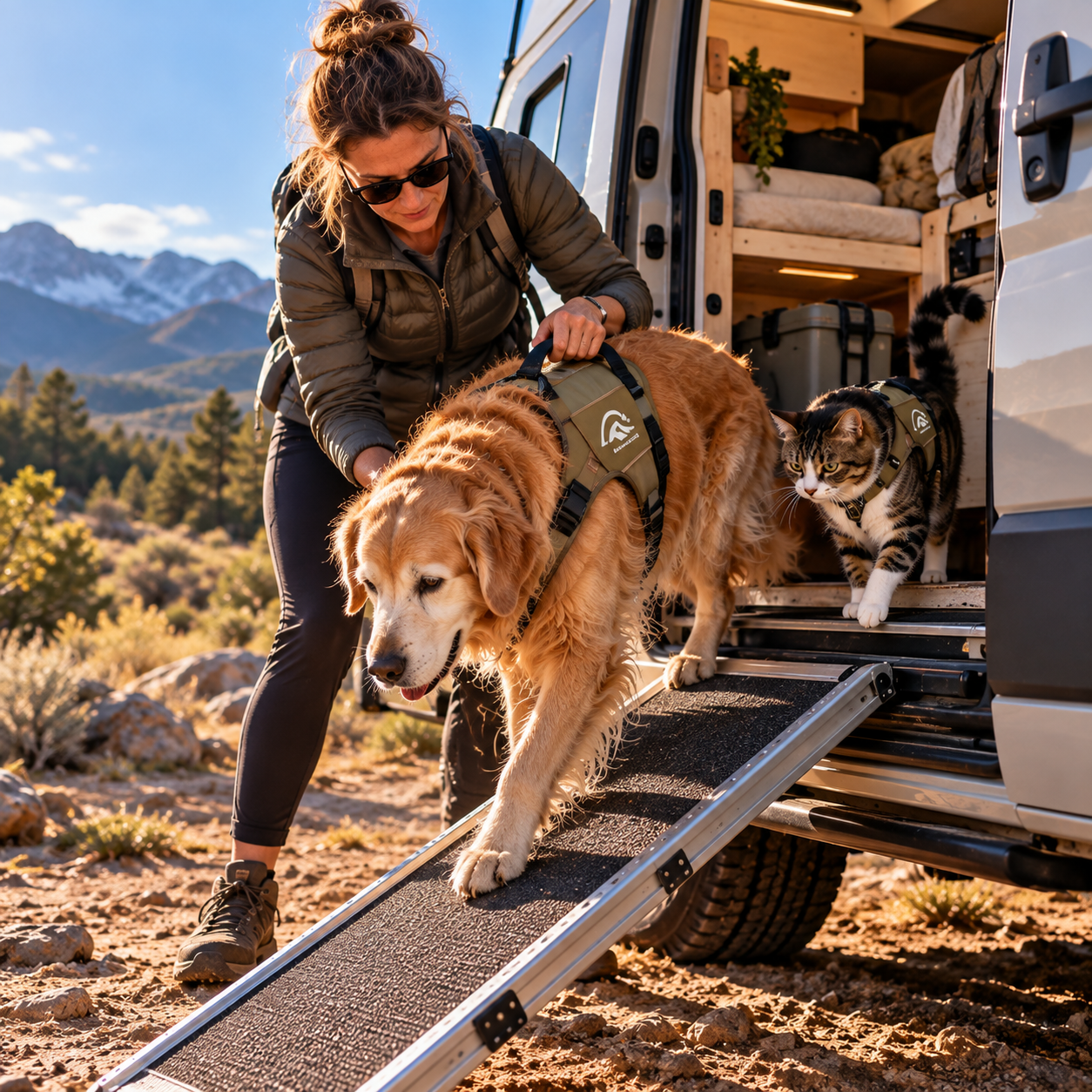
Can your pet comfortably travel, move in and out of the vehicle, rest safely and manage any existing or developing health conditions?
🧠 Temperament & confidence
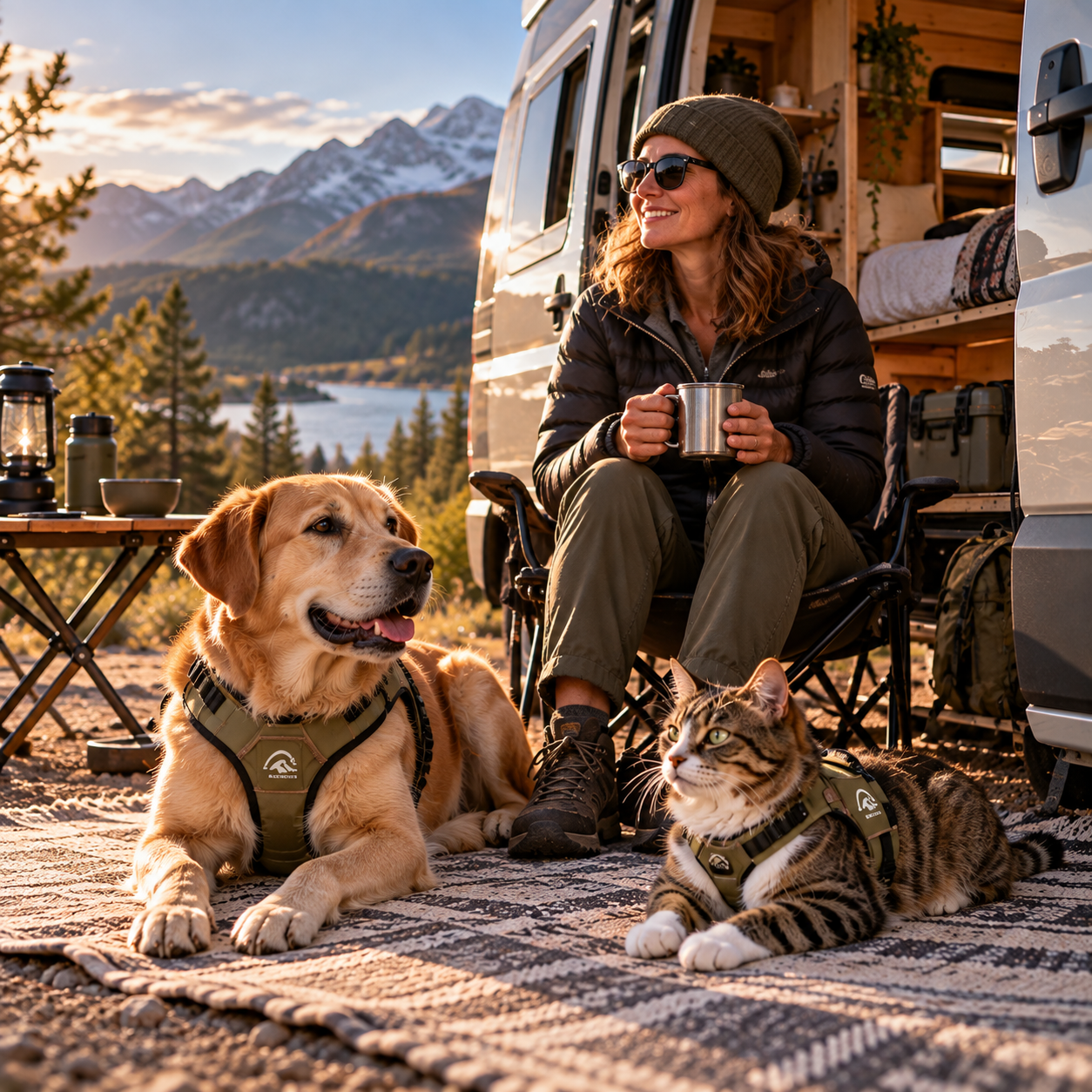
Consider how your pet responds to vehicles, unfamiliar places, noise, people, changing environments and being away from familiar surroundings.
🚐 Motion & vehicle tolerance
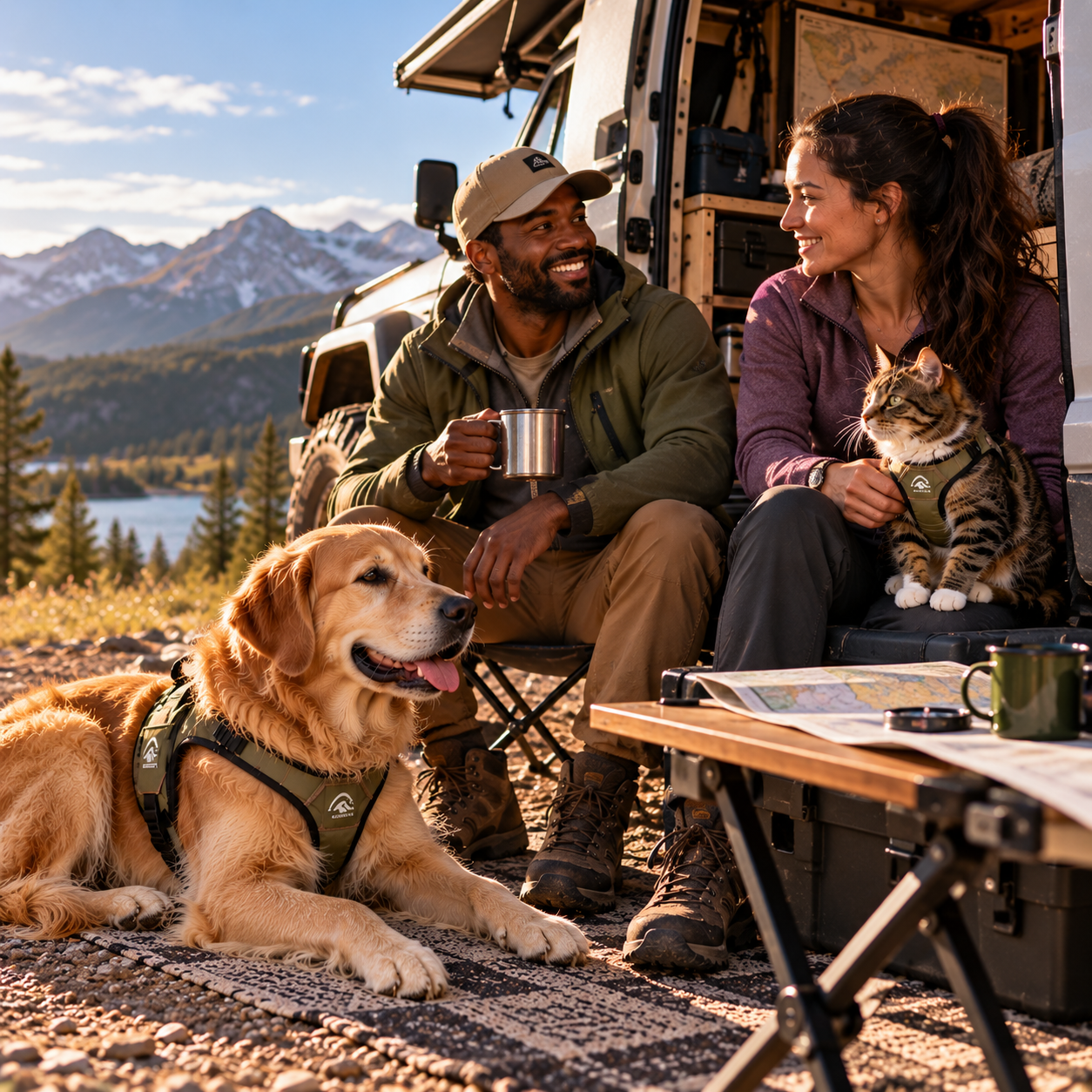
Some pets settle naturally during road travel. Others may experience anxiety, motion sickness, fatigue or difficulty relaxing during longer journeys.
☀️ Heat & exposure
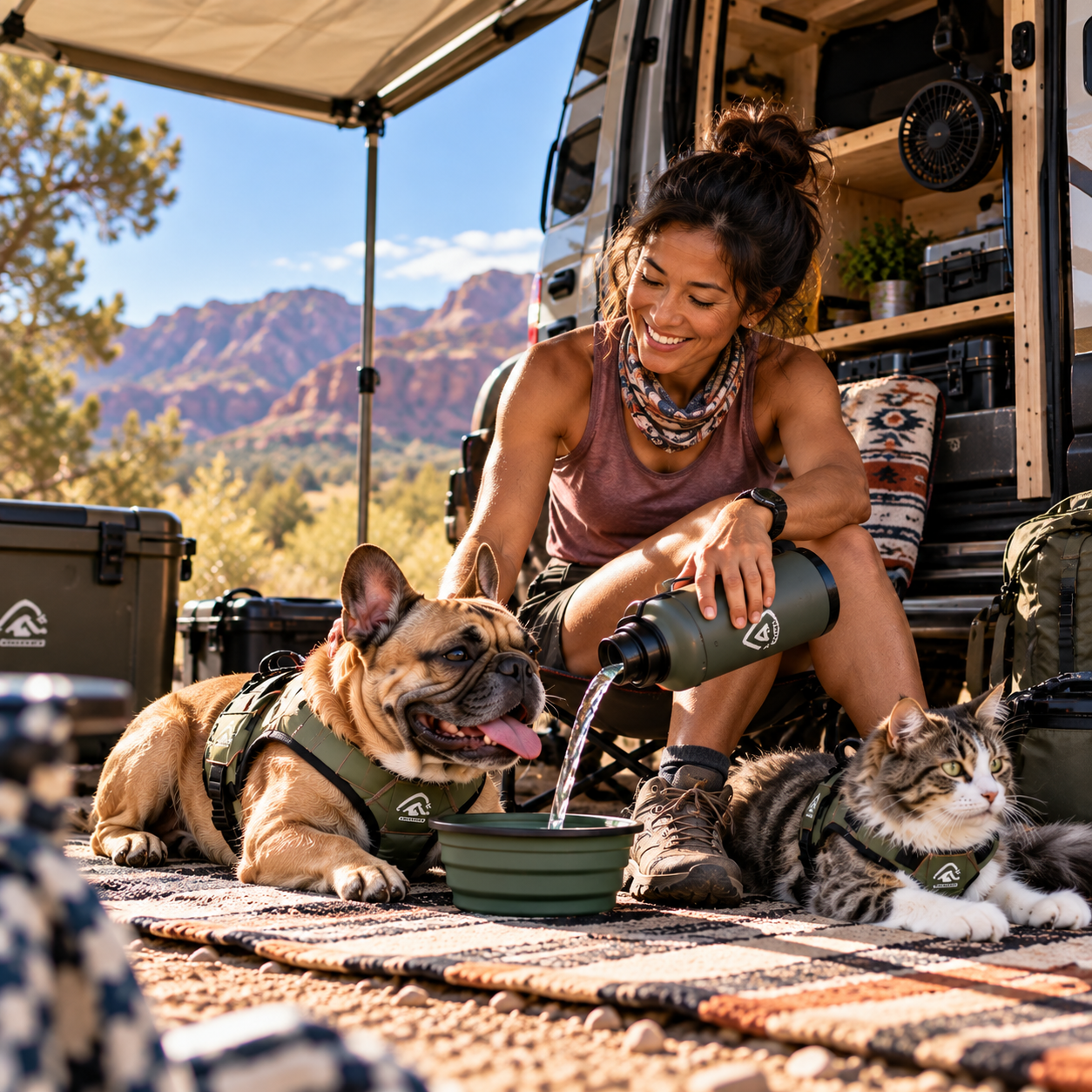
Vehicles can heat rapidly, particularly when stationary. Climate, ventilation, shade and temperature management can become critical to your pet’s safety.
🥣 Daily needs & routines
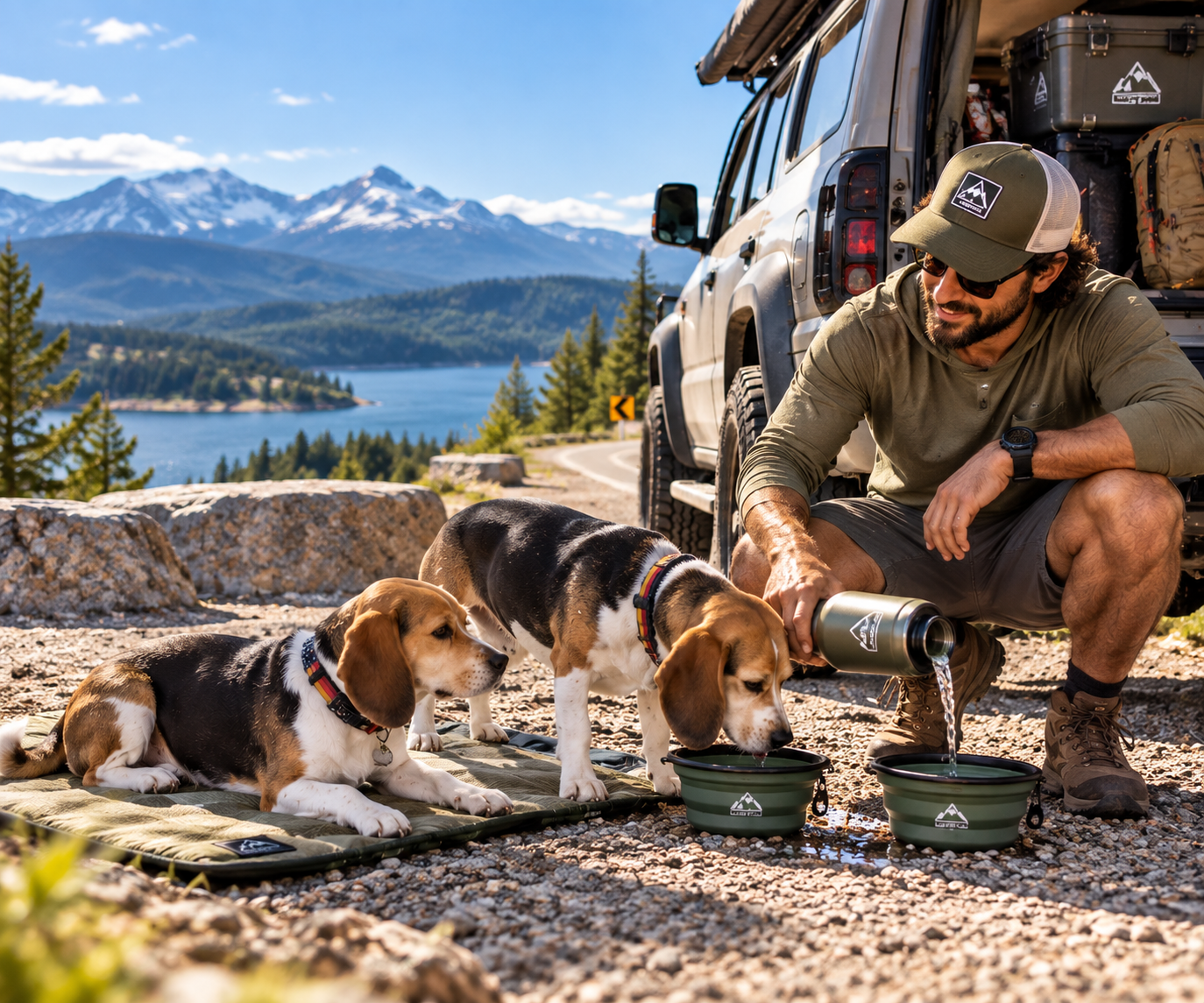
Feeding, water, toileting, exercise, sleep and downtime all need to remain workable as locations and travel days change.
✚ Health care & emergencies
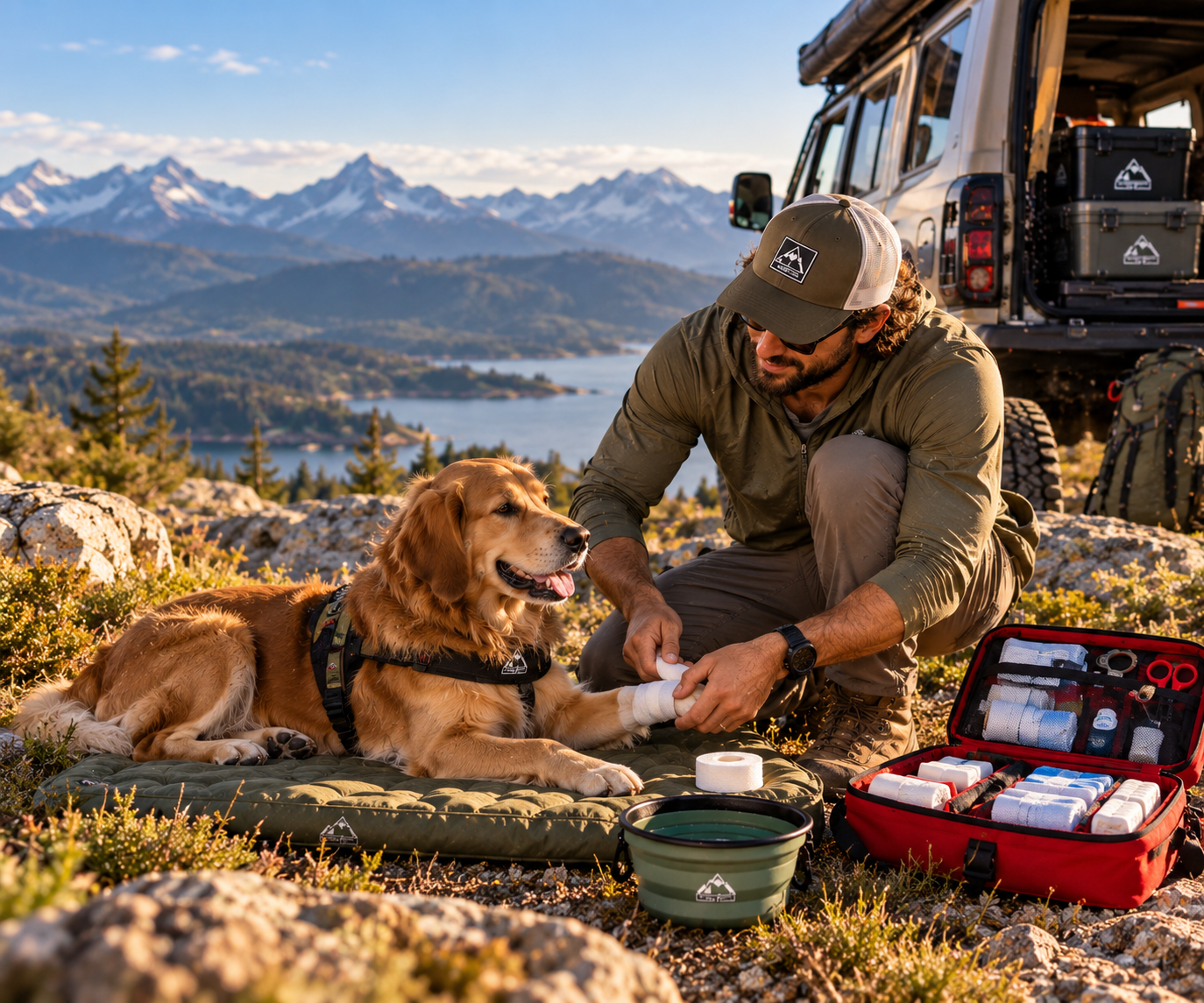
Consider medications, ongoing health needs and what you would do if your pet became sick or injured when veterinary help was not immediately accessible.
You are assessing suitability, not trying to solve every readiness task yet.
The next step is to understand what the vehicle and journey may require.
A familiar vehicle can be an unfamiliar environment for a pet
You may know your vehicle, its layout and how it behaves on the road. Your pet does not. Look at the vehicle at their height, with their balance, mobility, temperature needs and behaviour in mind.
🪜 Getting on and off
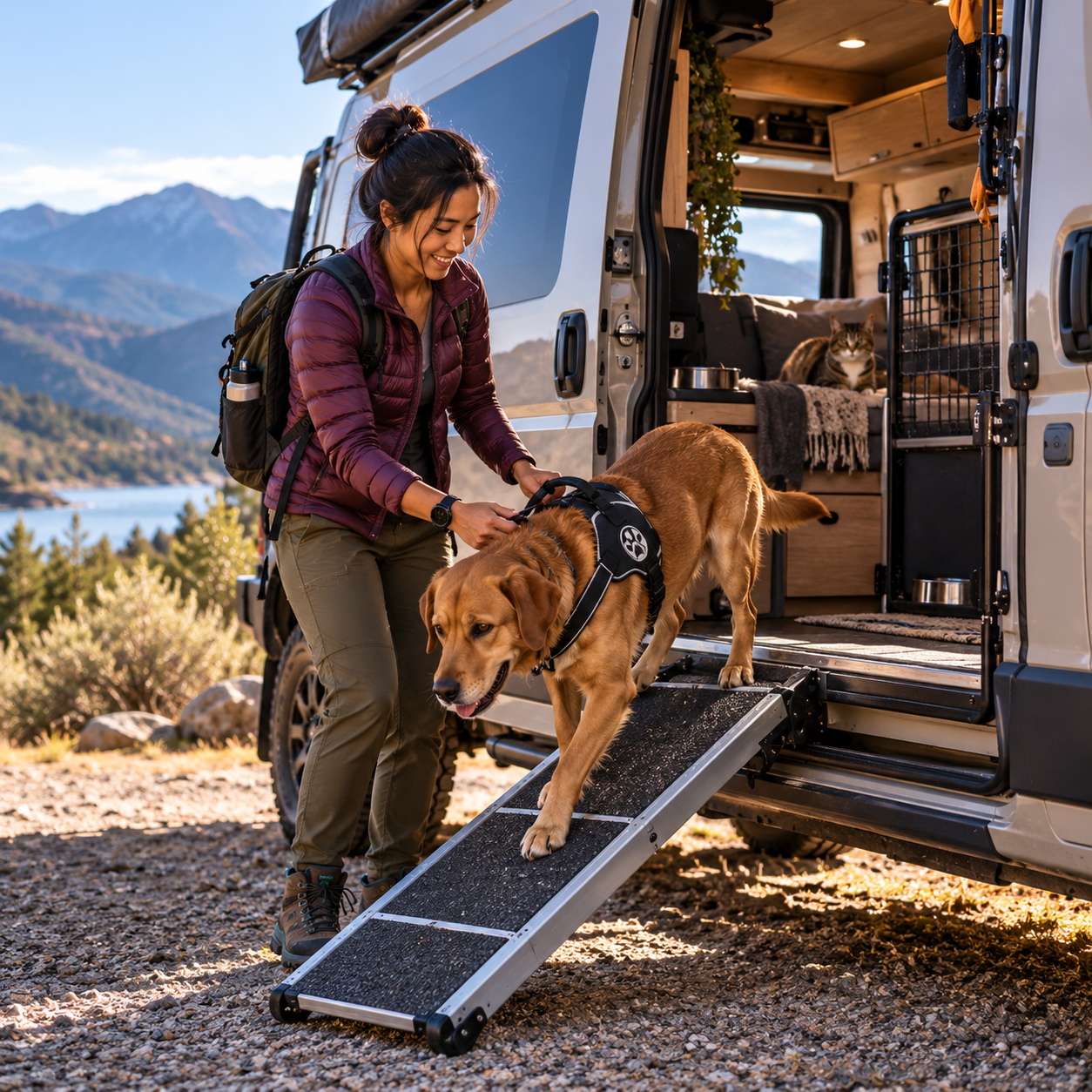
How will your pet enter and leave the vehicle safely at home, at roadside stops, campsites and unfamiliar places??
🐾 Moving around the vehicle
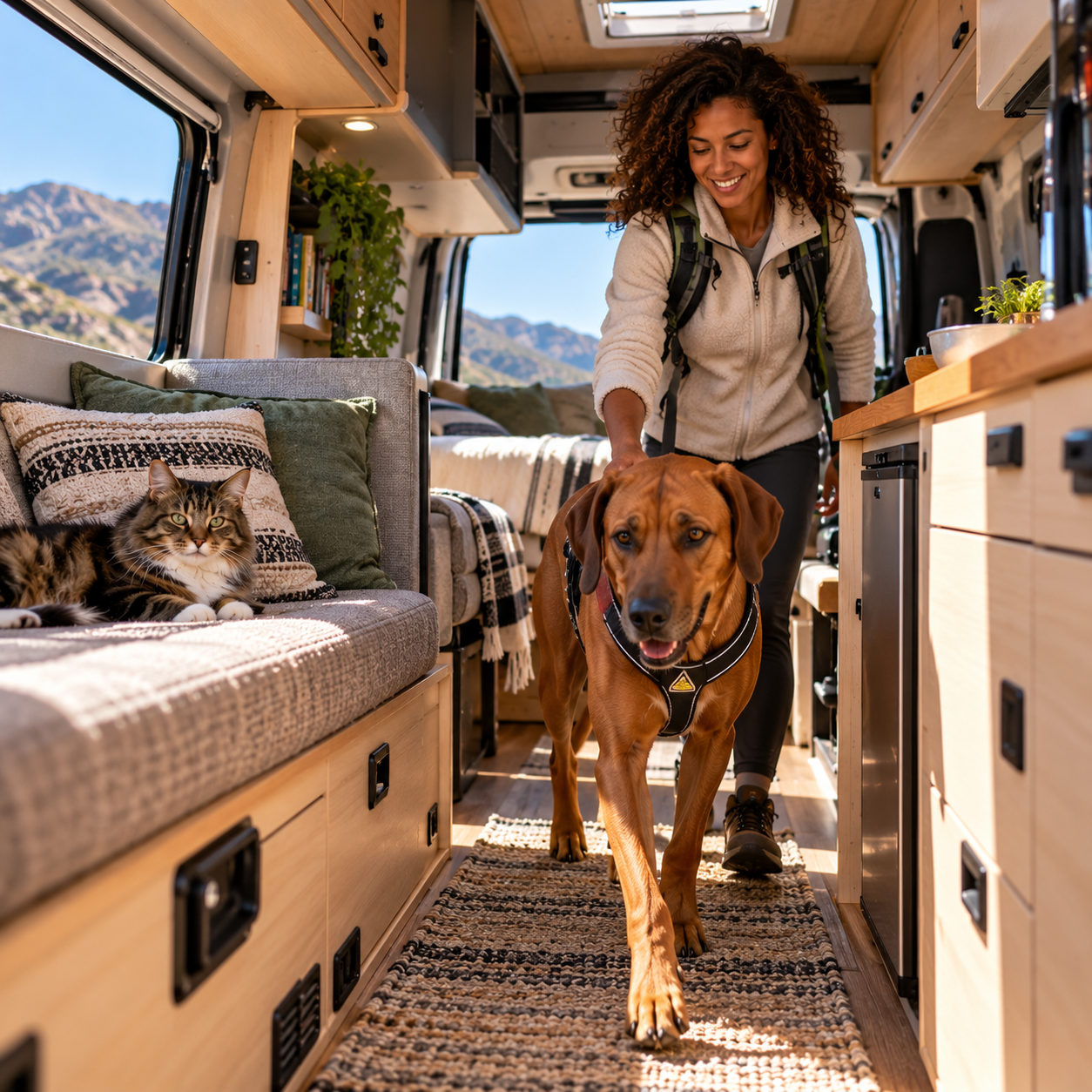
Consider slippery surfaces, steps, narrow spaces, stored equipment and anything that could shift, fall or obstruct your pet.
🛏 A safe place to settle
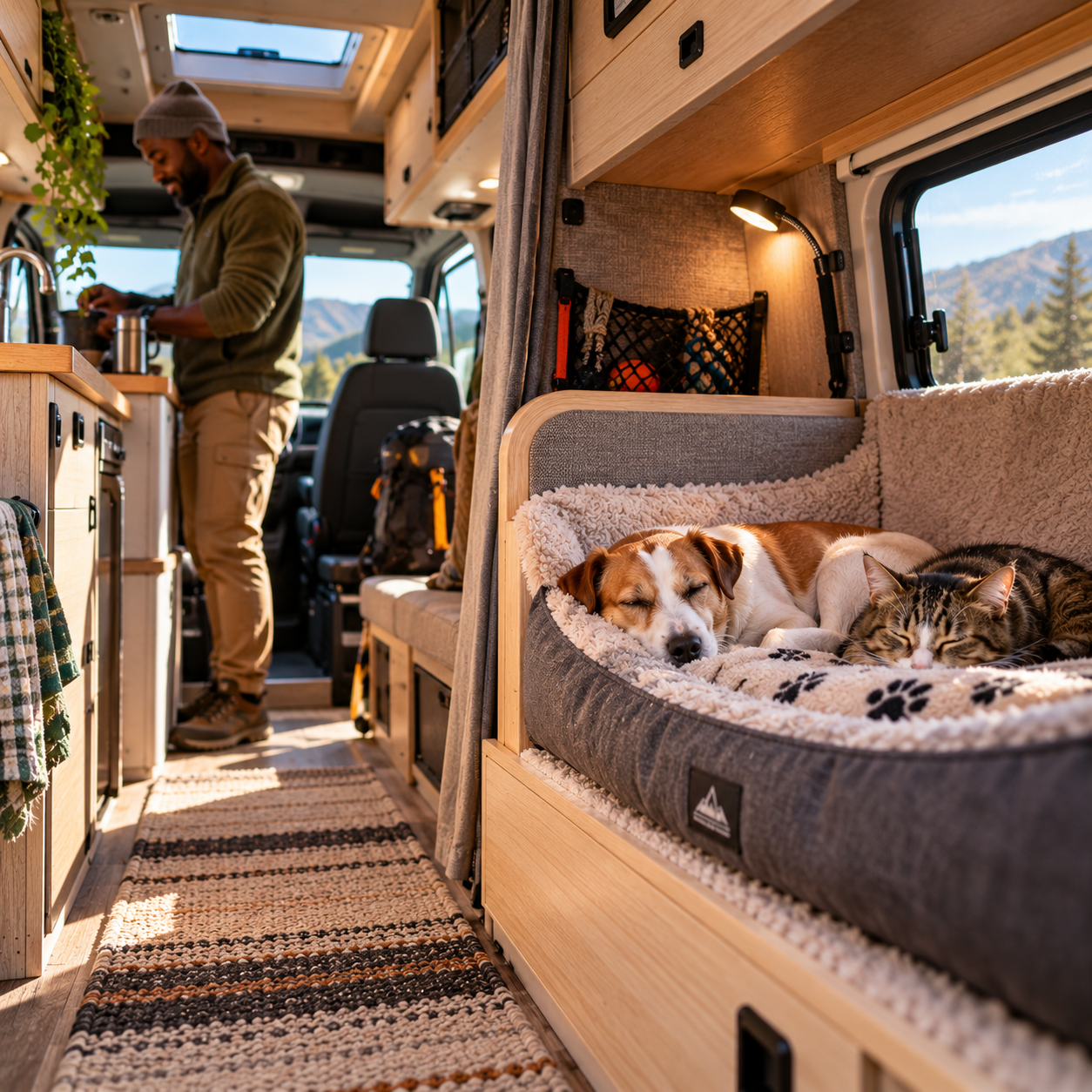
Your pet needs a secure place to rest or travel where sudden braking, cornering or vehicle movement will not put them at unnecessary risk.
⚠️ Preventing escape
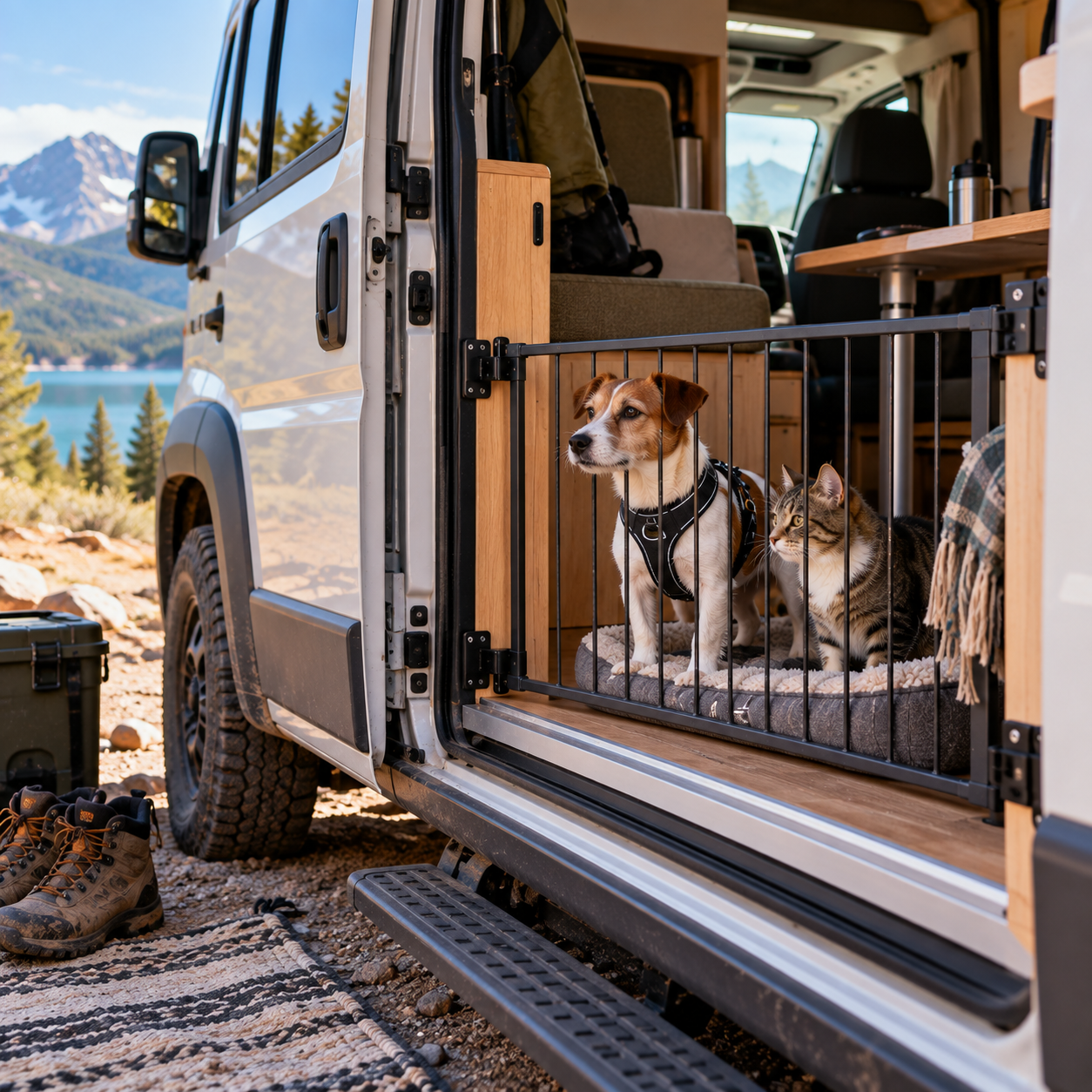
Doors, windows and unfamiliar stopping places can create escape opportunities. Think about how your pet will be controlled before a door is opened.
🔗 Safe restraint while travelling
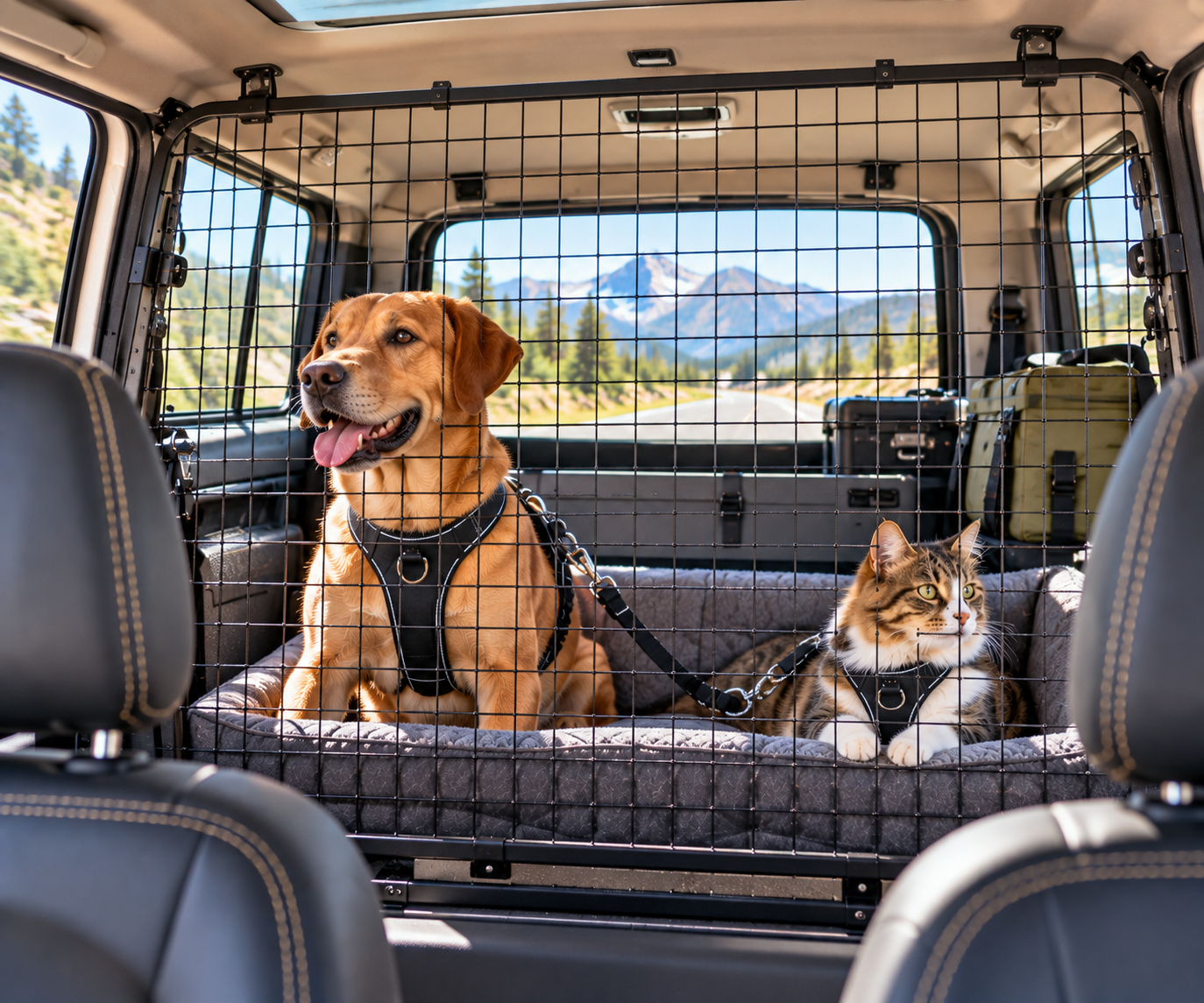
Decide how your pet will be restrained during vehicle movement and whether the system remains practical throughout everyday travel.
☀️ Shelter, ventilation & comfort
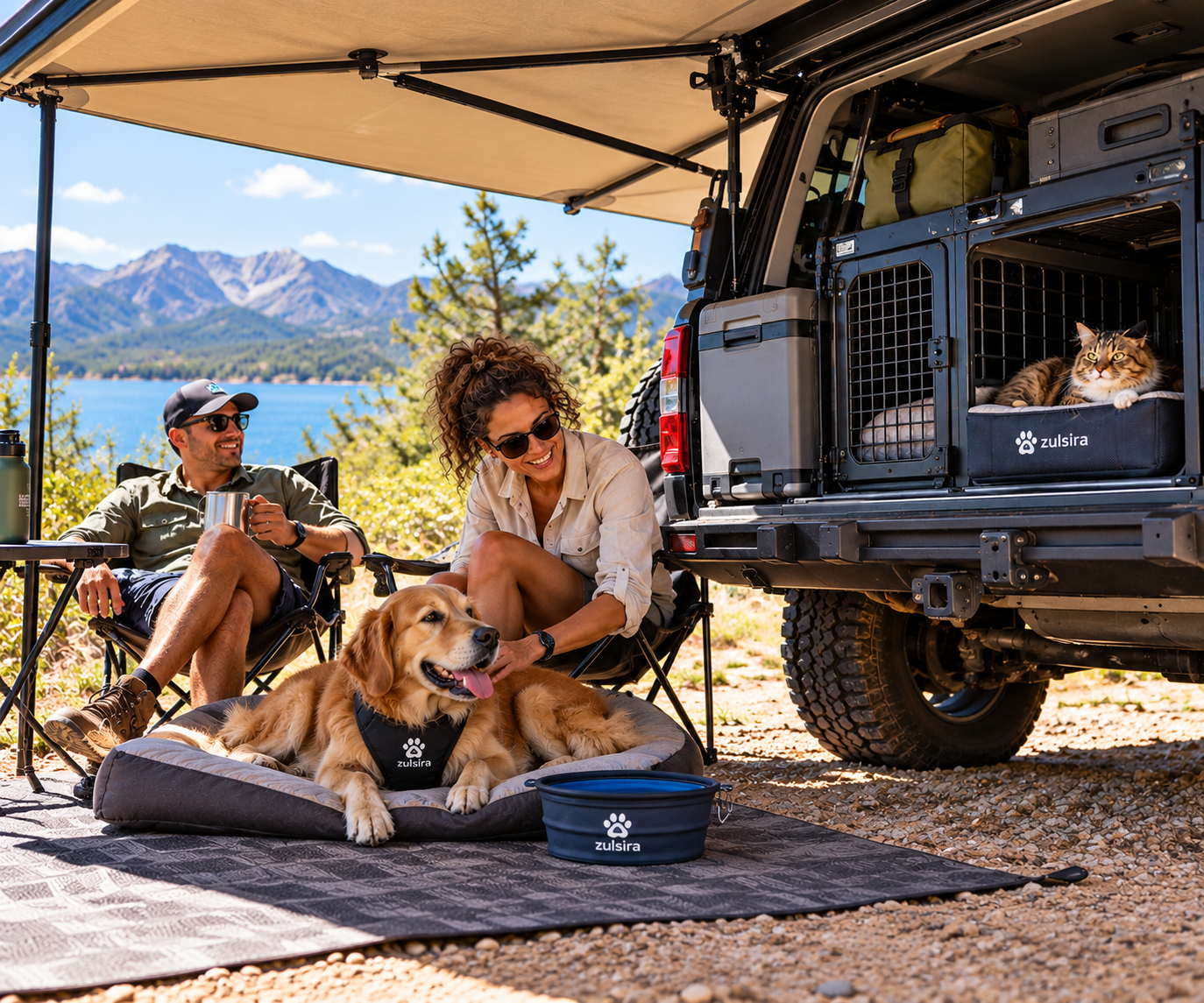
Consider airflow, temperature, direct sun, resting surfaces and how conditions change when the vehicle is stationary.
You do not need to redesign your vehicle today. First identify what may need attention..
Readiness will help you work through the individual changes.
Life on the road is more than vehicle equipment
Your pet also needs routines that continue to work when travel days, locations, weather and surroundings chang
🍽 Feeding & hydration
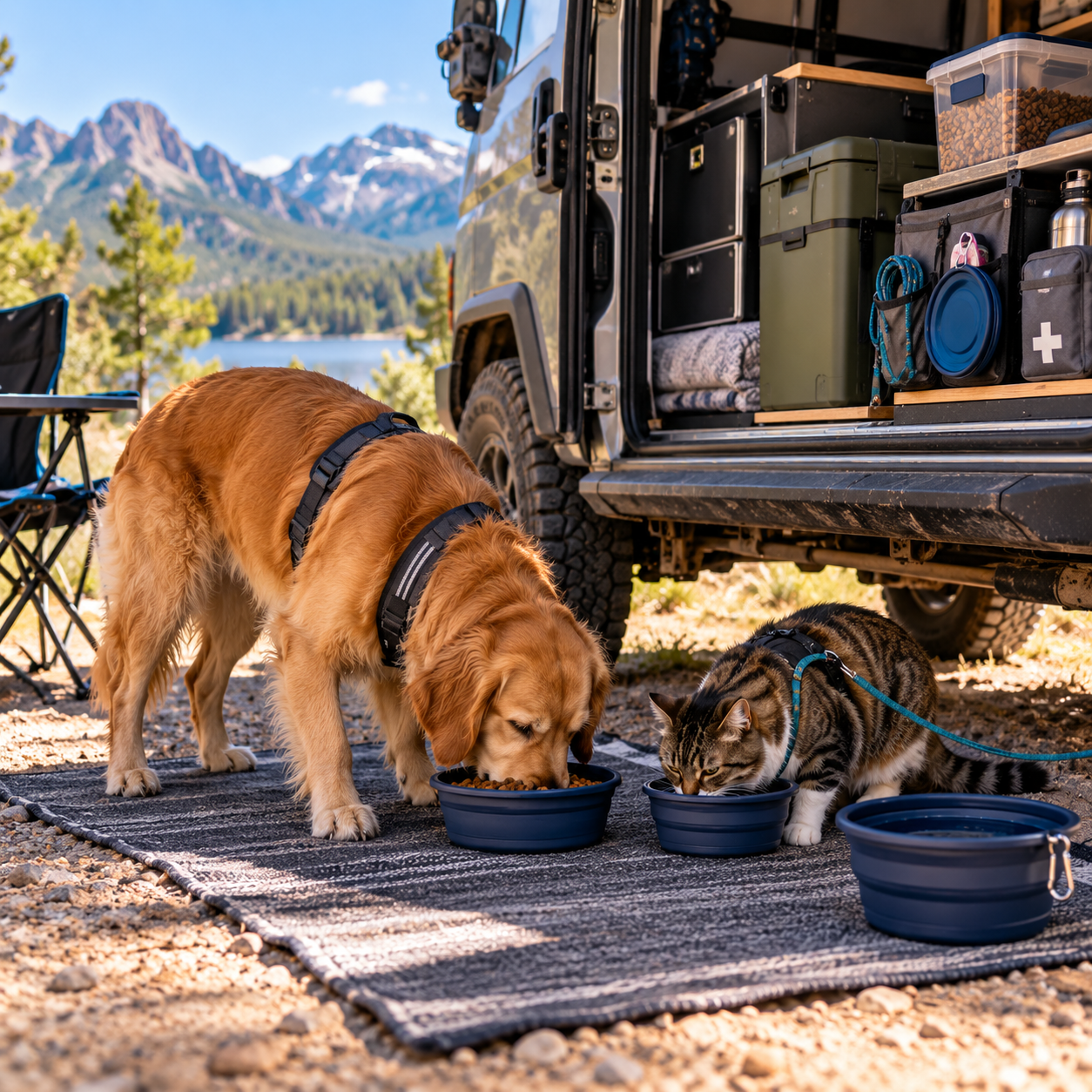
Where and how will your pet eat and drink when travelling, stopping temporarily or spending time away from familiar facilities?
💧 Water & supplies
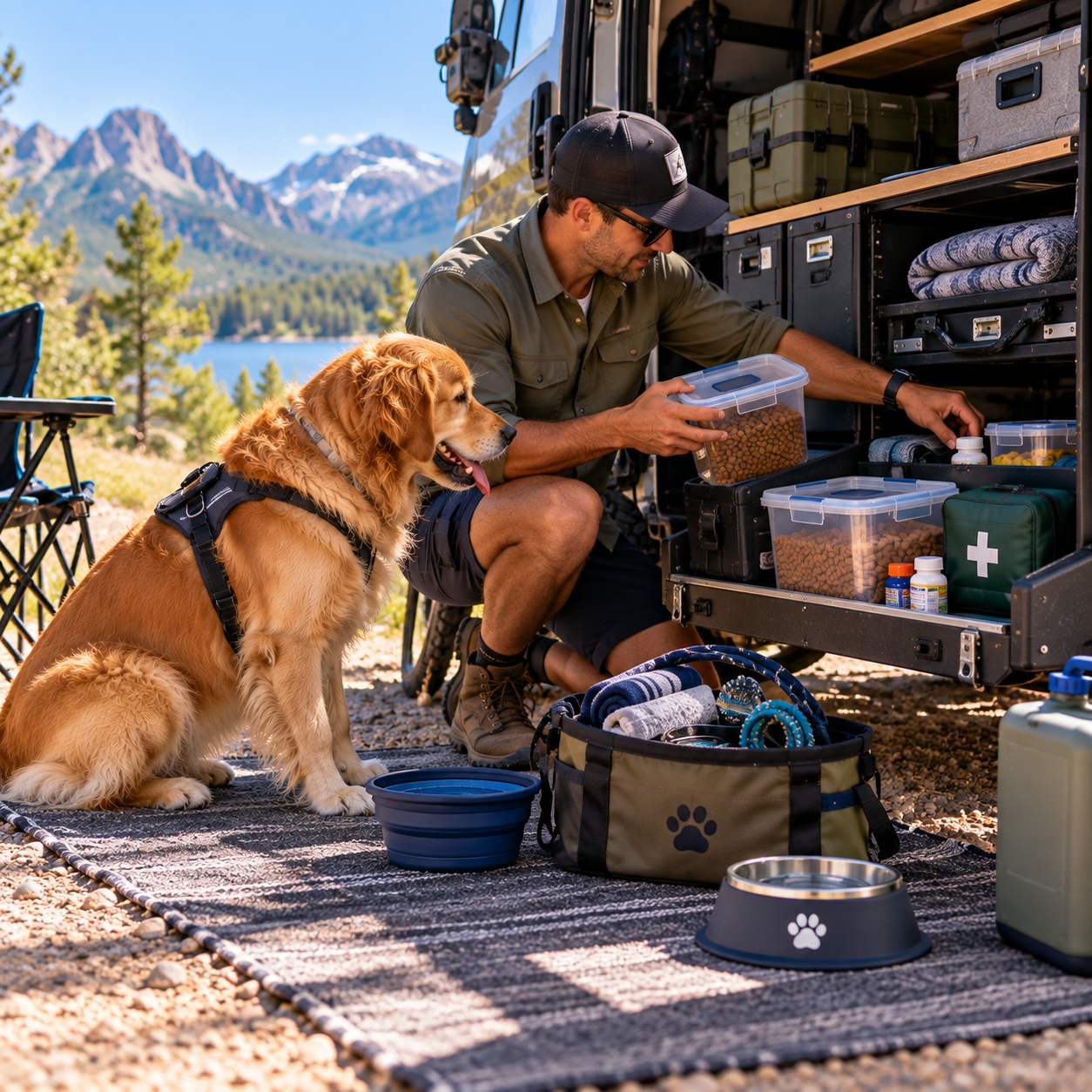
How much food, water, medication and other essential supplies do you need — and how easily can you replace them along your route?
🐕 Exercise, stimulation & rest
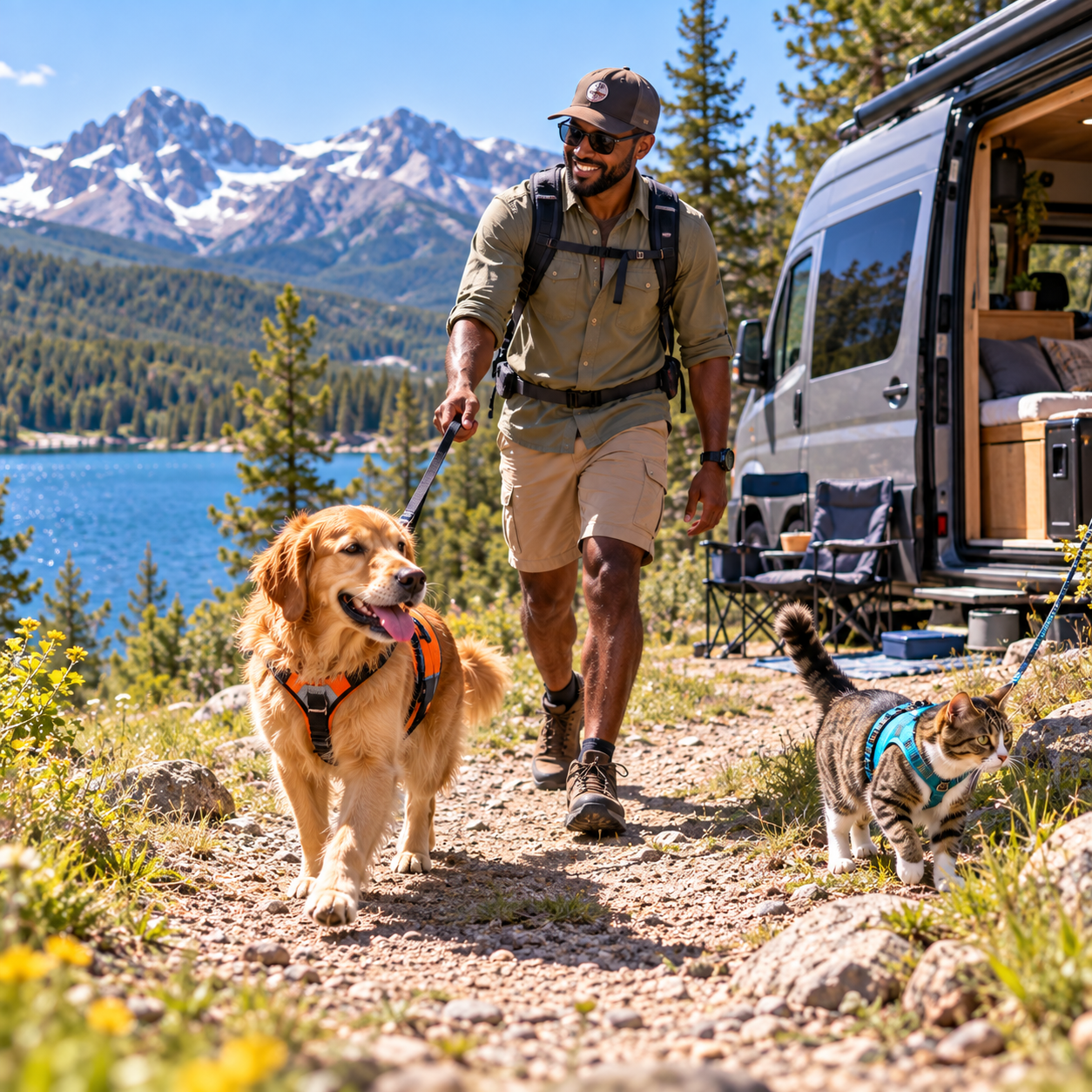
How will your pet get suitable movement, enrichment, downtime and comfortable rest — including during long driving days or restricted stops?
🐕🦺 Training & behaviour
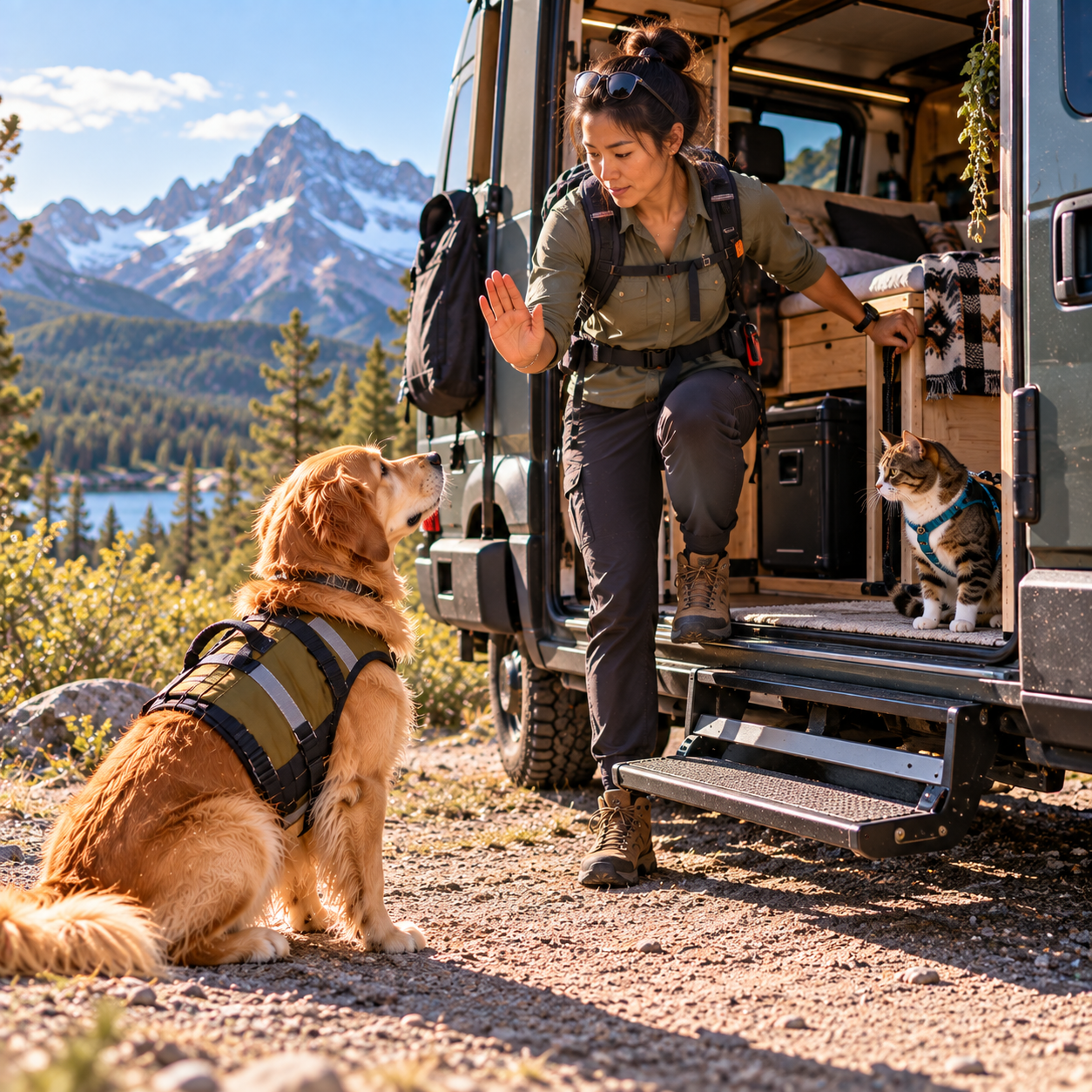
Entering and leaving vehicles, settling while travelling, waiting safely and coping with unfamiliar places all become everyday skills.
These are readiness areas. You don’t need to complete them on this page.
What happens when help is hours away?
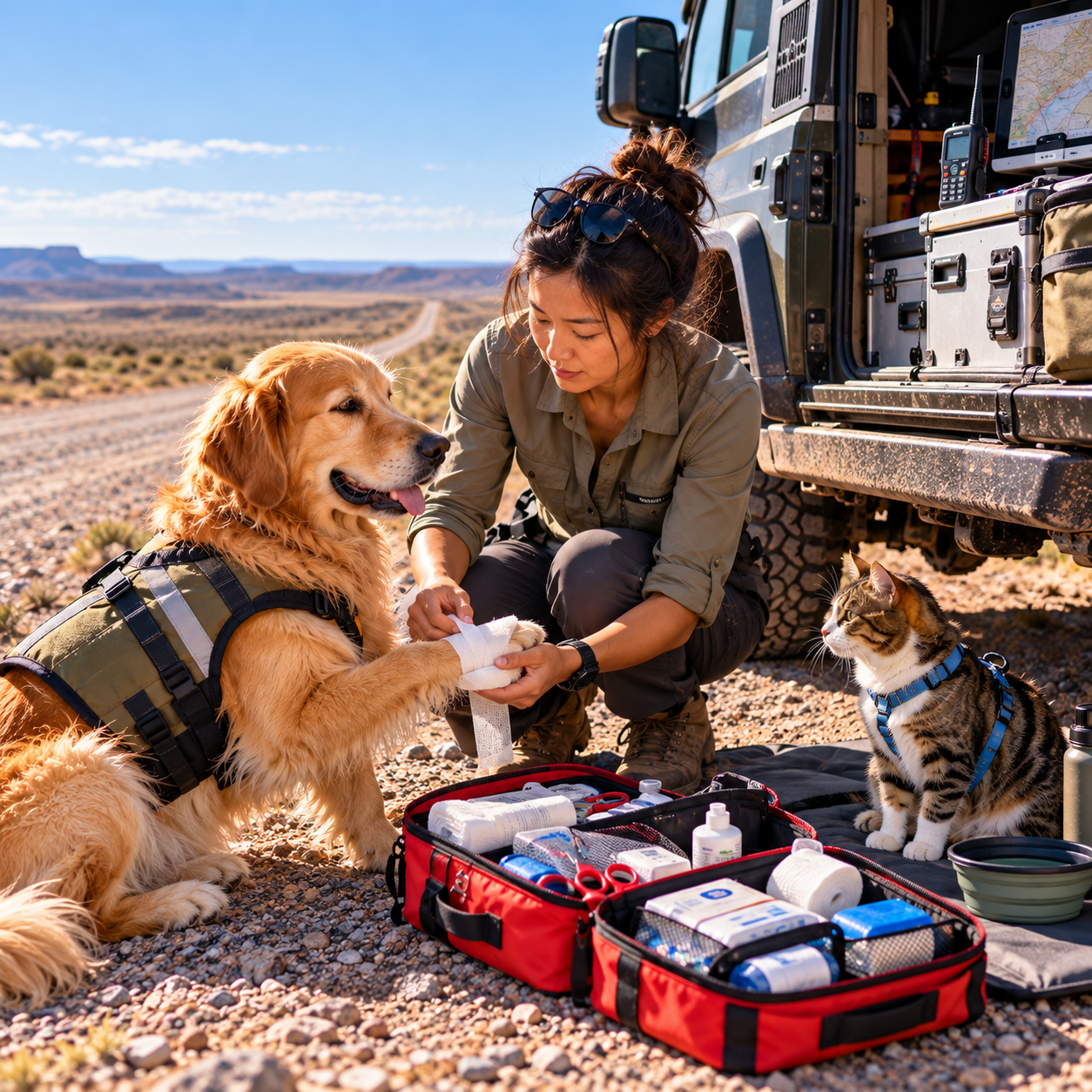
✚ Be ready to respond on the road
Illness, injury, poisoning, heat illness or another emergency may happen far from familiar veterinary care.
Basic first-aid knowledge, appropriate supplies and knowing how you will reach professional help become part of responsible travel.
📍 Have a plan for getting help
Think about what happens if veterinary care is hours away, your planned route becomes unusable, your vehicle breaks down, or your pet cannot safely continue the journey.
Knowing when to stop, reroute or seek help matters.
You do not need every answer today. You do need to recognise where a plan may be needed.
How will you mainly travel overland with your pet?
Your core pet and vehicle readiness is similar, but the amount of time on the road, distance, access to support and complexity of the journey can change what needs greater attention.
Same readiness applies to every pet travelling overland.
Your pet needs to be comfortable and safe in and around your vehicle, your routines need to be practical, and you need a plan for situations that do not go as expected.
ⓘ If you’re ready, choose the pathway that best matches your journey. If your travel includes an international border, choose Long-Term / International. If you don’t choose a pathway yet, ZULSIRA will continue to show you all information.
Your pathway helps ZULSIRA show the readiness information most relevant to your journey. It follows you as you move through ZULSIRA, and you can change it at any time using Change in the pathway bar above.
🚐 Local / Short Trips
Day trips, weekends and shorter overland journeys within one country.
For pets joining you for shorter journeys, generally within familiar areas where returning home, changing plans and accessing familiar support is relatively practical.
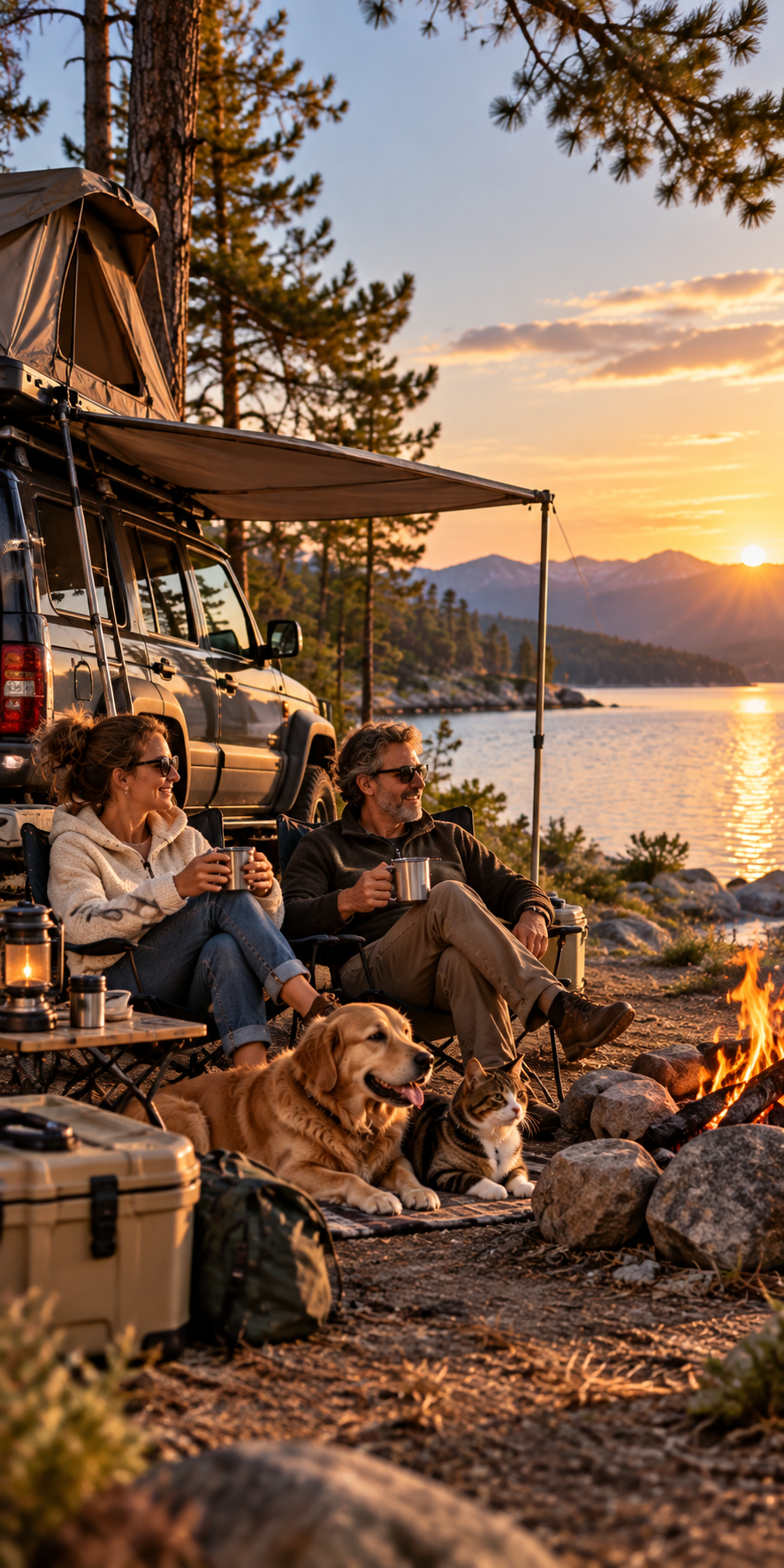
How ZULSIRA describes Local / Weekend Overland Travel
Time travelling — Hours, days, weekends or shorter trips.
Your pet normally returns regularly to their usual home environment.
Pet’s normal base — Primarily home-based.
The vehicle is part of your pet’s travel and recreation, rather than their main everyday living environment.
Where you travel — Local or familiar areas.
Returning home, changing your route or reaching familiar assistance is generally more practical.
Daily routines — Need to work for shorter periods away.
Toileting, feeding, hydration, rest, exercise and settling need to work during the journey, but do not normally need to sustain extended life on the road.
Supplies & support — Generally accessible along the way or from home.
Food, water, medication and other essentials can usually be planned around shorter trips and replenished relatively easily.
When plans change — Returning home or changing the journey is usually practical.
If your pet is not coping, conditions deteriorate or something goes wrong, shortening the trip, changing your route or returning to familiar support is generally an option.
International travel — Use the Long-Term / International pathway.
If your overland journey crosses an international border — even for a day trip, weekend or short journey — choose Long-Term / International Travel so ZULSIRA can include the additional country, documentation, health and entry requirements that may apply.
Then retain your existing summary:
Your readiness will focus on:
Safe vehicle travel · restraint and movement · temperature management · stopping routines · daily needs · local emergency planning
🚐 Long-Term / Extended / International Travel
Extended overland travel or any journey involving international borders
For pets travelling over longer distances or for extended periods — or crossing international borders — where routines need to remain sustainable and access to familiar supplies, accommodation and veterinary care may become less predictable.
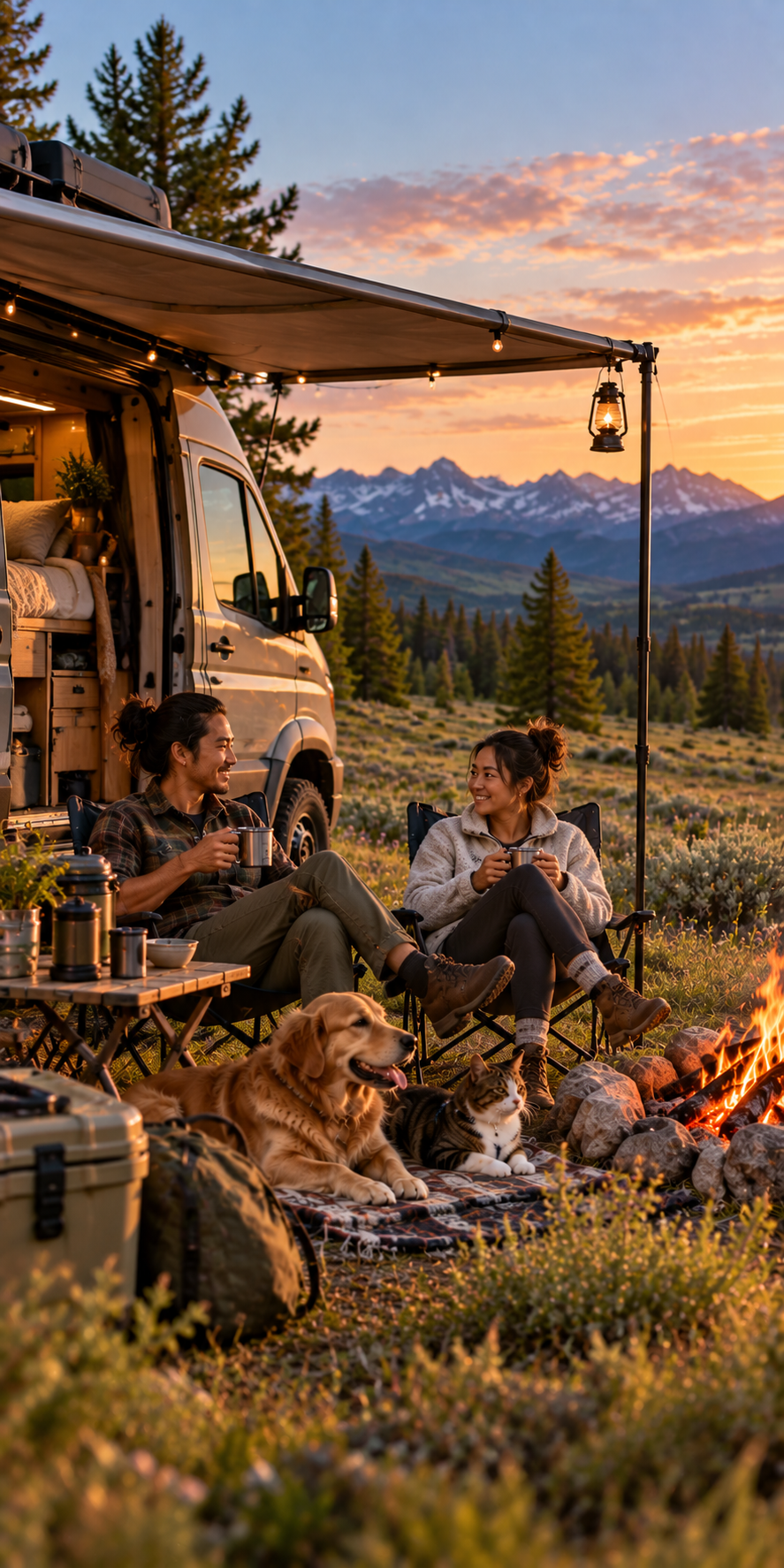
How ZULSIRA describes Long-Term / Liveaboard Overland Travel
Time travelling — Extended periods, weeks, months or ongoing travel.
Your pet may spend substantial periods travelling or living with you on the road rather than regularly returning to their usual home environment.
Pet’s normal base — Your travelling setup becomes a significant part of everyday life.
Your pet needs to be comfortable with the vehicle, accommodation and changing stopping places as part of normal daily life, not simply for occasional trips.
Where you travel — Longer, changing or more remote journeys.
Familiar support may become less accessible as your route, location, climate and surroundings change.
Daily routines — Need to remain sustainable over time.
Toileting, feeding, hydration, rest, exercise, stimulation, training and safe vehicle routines need to continue working as normal parts of life on the road.
Supplies & support — May be less accessible or predictable.
Food, medication and other essentials may need to be carried for longer periods or replaced in unfamiliar places, while veterinary care and suitable stopping or accommodation options may be farther away.
When plans change — Returning to familiar support may not be practical.
Your readiness needs to account for delays, vehicle problems, changing weather, unsuitable stopping places, emergencies and periods when immediate familiar support is limited.
International travel — Included in this pathway.
Choose this pathway if you will cross an international border, even if the overland journey itself is only a day trip or weekend. ZULSIRA will combine the relevant overland readiness with the country, documentation, health and entry requirements that apply to your journey.
Your readiness includes the local foundations, plus:
Extended life on the road · sustainable routines · supplies · changing climates and conditions · remote veterinary planning · international & country requirements where applicable
Continue into your pet & vehicle readiness
You don’t need to make your pet and vehicle ready all at once. ZULSIRA will guide you through the readiness areas that apply to your pet, your vehicle and the way you plan to travel.
1. Know your starting point
Understand your pet, your vehicle and the type of overland travel you plan to do.
2. Work through your readiness
ZULSIRA will help you work through your pet, vehicle and day-to-day readiness. If you’ve selected a pathway, your information will be focused around the way you plan to travel.
3. Add journey requirements when needed
When borders, countries or flying become part of the journey, add those requirements without changing your underlying sailing readiness.
If you’ve selected a pathway, it will come with you. Otherwise, you’ll continue to see all information.
